
Ice storms can wreak havoc on homes and businesses, causing damage to property and disrupting daily life. While insurance is designed to provide protection in times of crisis, understanding ice storm insurance coverage is essential for homeowners and businesses to ensure they receive appropriate compensation in the event of an ice storm disaster.
Basics of Ice Storm Insurance Coverage
Ice storm insurance coverage typically falls under a homeowner’s insurance policy that includes coverage for the types of damage that occurs during ice storms. Most insurance policies, whether for homeowners or businesses, do not have clauses that are specific to ice storms. Instead, damage caused by ice storms or other winter weather events are covered under different sections of the policy.
Standard Homeowners’ Insurance Policies
Standard homeowner’s insurance for ice storms typically includes several types of coverage, including:
- Dwelling Coverage: This covers the physical structure of a home against ice storm damage claims.
- Other Structures: This coverage protects structures on the property that are separate from the home, such as a detached garage, shed, or fence.
- Personal Property Coverage: This protection covers belongings inside the home, including furniture, clothing, appliances, and other personal items, against covered perils.
- Liability Protection: This offers financial protection if someone is injured on the homeowner’s property, such as from slipping on ice resulting from an ice storm and decides to sue.
- Additional Living Expenses (ALE): If a home becomes uninhabitable due to a covered ice storm, ALE helps cover additional costs of temporary living arrangements like hotel bills, meals, and other necessary expenses.
- Medical Payments to Others: This coverage is for medical expenses if someone is injured on the homeowner’s property, regardless of fault. This coverage usually has limits and is for minor injuries.
It’s important to note that while these components are typically included in a standard homeowner’s policy, the coverage limits, deductibles, and specific details can vary between policies and insurance companies.
Business Insurance Policies
While homeowners’ insurance policies are limited to coverage of a home and its surrounding property, business insurance can be a bit more comprehensive. In terms of business insurance for ice storms, policies typically include:
- Property Insurance: Similar to homeowner’s insurance, this covers the physical location of a business, including the building and its contents (equipment, inventory, furniture) against perils such as ice storms and their ensuing damage.
- General Liability Insurance: This policy protects a business against claims of bodily injury, property damage, and personal injury arising from its business operations, products, or services. General liability insurance may become relevant in the event that a worker or customer is injured on ice that was the result of an ice storm.
- Business Interruption Insurance: This coverage helps cover lost income and operating expenses if a business is temporarily unable to operate due to an ice storm. It can also assist with relocation expenses.
- Worker’s Compensation Insurance: Mandatory in most states, this coverage provides benefits to employees for work-related injuries or illnesses. It typically covers medical expenses, lost wages, and rehabilitation costs.
Business owners should always review their policies carefully, consider the business’ unique risks, and consult with an insurance professional to ensure they are adequately protected.

Types of Ice Storm Damage Covered
As with other damage covered by insurance policies, the type of damage will determine what is covered and to what extent.
Structural Damage
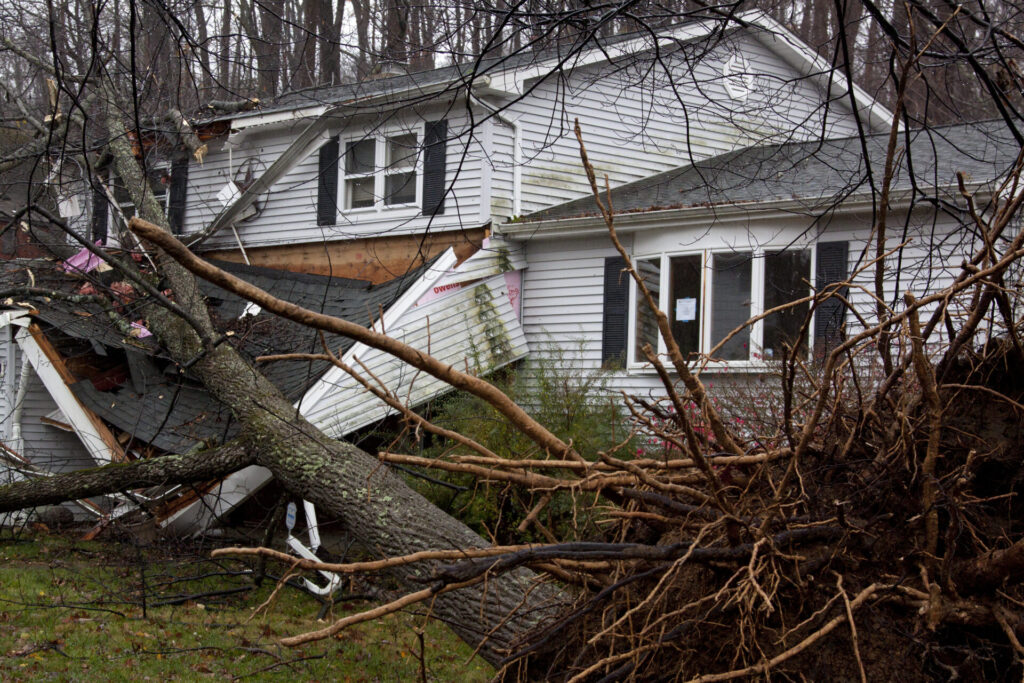
In the context of insurance, structural damage refers to physical harm or impairment to a building’s structure, including the foundation, walls, roof, and supporting elements. Severe ice storms can cause structural damage to buildings in different ways. Most commonly, ice accumulates on tree branches and the added weight causes branches to break and fall onto a structure, such as a house, damaging the roof or other structural elements.
Water Damage
Water damage can be another result of an ice storm. Insurance policies typically have specific clauses that address water damage. If a roof is damaged during an ice storm and water gets inside, it may cause personal property damage in addition to structural damage. Of course, ice storms also occur during cold parts of winter when pipes can freeze and burst, which would be another type of water damage indirectly caused by an ice storm.
Tree Damage
Typically, damage to a home caused by falling trees will be covered under the property damage section of an insurance policy. However, many policies also include preventative measure requirements, which means that if trees are not properly maintained (e.g., regularly trimmed back), coverage may be limited if an ice storm causes downed trees or fallen branches.
Understanding Policy Limits and Deductibles
Although many types of damage from an ice storm are likely to be covered by a comprehensive insurance policy, certain types of damage are often excluded from coverage. As mentioned, damage caused by lack of maintenance is typically not covered. Additionally, many structures are often excluded from ice storm or other weather damage coverage, including:
- Fences
- Swimming pools
- Foundations and pavement
- Retaining walls
- Piers, wharves, and docks
- Patios
It’s also important to keep in mind that deductibles could be applicable in many cases of ice storm damage. Homeowners and business owners should be sure to review their insurance policies in the event of an impending storm so as not to be surprised when certain damage is not covered or when a deductible payment is due before coverage kicks in.
Filing a Claim
Filing an insurance claim after an ice storm is a critical step for receiving compensation for any damage that occurred. To file an insurance claim as soon as it is safe to do so, the policyholder should contact the insurance company and follow their instructions for filing a claim.
Document the Damage
Getting an insurance claim paid means being able to prove that the damage was caused by a covered event, such as an ice storm. When it is safe to do so, an insurance policyholder should take photos or video of any damage that will be part of their claim. It is also recommended to take photos and videos of the insured property on a regular basis so the damage caused by an ice storm will be easier to determine.
Contact Your Insurance Company
When the storm has passed and damage has been documented, policyholders should contact their insurance companies. After a particularly damaging storm, it may take time to get a response as insurance companies may be inundated with calls and damage claims. Policyholders should be prepared to wait, whether that means waiting for an email response or waiting on hold on the phone. Insurance companies are prepared for natural disasters and should be able to respond to claims fairly quickly.

Work with a Public Adjuster
Depending on the nature and extent of the claim, the insurance company may send an adjuster or inspector to assess the damage. The adjuster sent by an insurance company works for the insurance company, which means they keep the best interests of the insurance company in mind.
Homeowners and business owners may want to consider working with a public insurance adjuster, such as a commercial ice damage claim adjuster like WorldClaim to handle business and commercial claims. Public adjusters for ice storm claims work on behalf of the property or business owner, helping policy holders to understand the limits and entitlements in their policies, prepare documentation, and work to ensure they get fair, fast settlements.