
As a homeowner or a business owner, watching out for signs of water damage is crucial. Undetected water leaks can lead to costly repairs, structural deterioration, mold growth, and health hazards. Taking proactive steps to prevent water damage through routine maintenance and other mitigation measures can help owners protect their property, safeguard the health of inhabitants, and minimize financial losses associated with water-related disasters.
The Most Common Causes of Water Damage
The most common causes of water damage to properties are natural disasters, particularly weather-related damage, and structural issues, such as aging pipes that develop leaks.

Natural Disasters and Weather-Related Incidents
Natural disasters cause significant property damage each year, including damage from water. For instance, in 2022, storms and floods caused more than $175 billion in property damage worldwide. Although not all of this damage was due to water, a significant portion of the damage was due to storm surges, flooding, and damaged pipes.
Floods occur when water spreads across normally dry land, often due to bursts of heavy rainfall, storm surges, or overflowing rivers and lakes. Since 1980, flooding has cost U.S. property owners and taxpayers more than $850 billion. Floodwater can enter homes and buildings, causing extensive water damage to structures, belongings, and infrastructure. Additionally, floodwater can carry debris, contaminants, and pathogens that pose significant health risks to occupants.
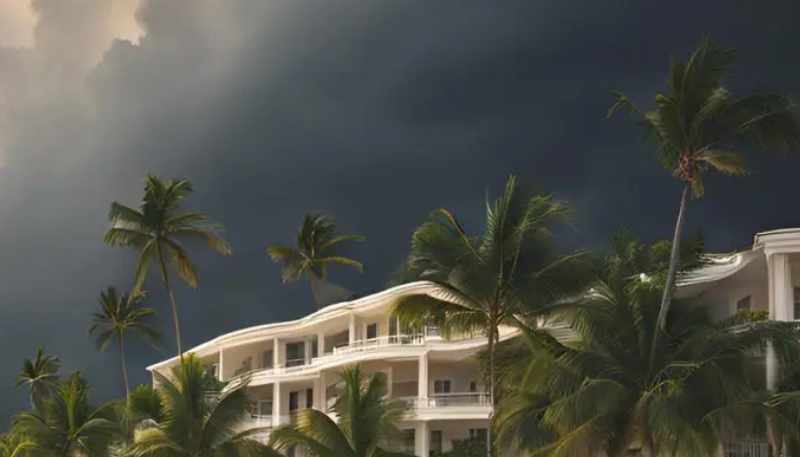
Hurricanes and severe storms often come with intense rainfall, high winds, and storm surges, leading to widespread flooding and subsequent water damage. Wind-driven rain can penetrate roofs, windows, and doors, while storm surges can inundate coastal areas with seawater, causing extensive damage to properties along the impacted coastlines.
Tsunamis are large ocean waves triggered by underwater seismic activity, such as earthquakes, volcanic eruptions, and landslides. When tsunamis make landfall, they can flood coastal areas with a surge of water, causing extensive flooding and destruction along the way. Tsunami waves often carry debris, sediment, and saltwater far inland, leading to widespread water damage to buildings and infrastructure.
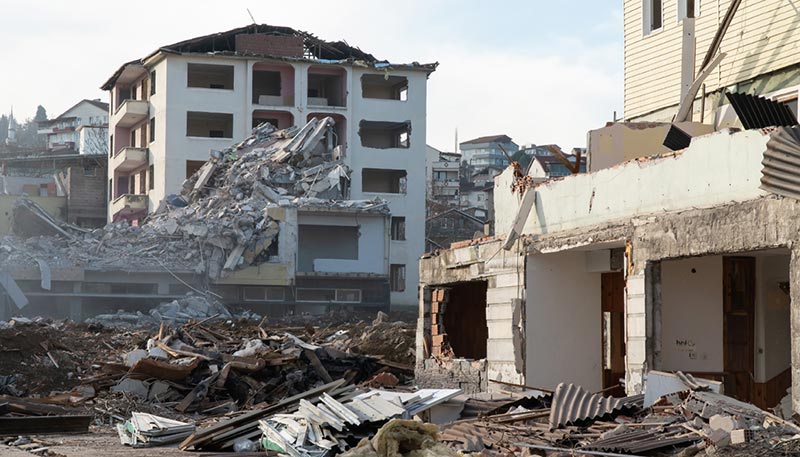
These types of natural disasters often result in extensive damage to homes, buildings, infrastructure, and the environment, highlighting the importance of preparedness, mitigation, and resilience measures to reduce the impact of these types of disasters.
Household Mishaps and Structural Issues
Structural issues in a building can also lead to water damage if they compromise the integrity of the building envelope or the plumbing system. In fact, damaged, leaking pipes are a very common cause of water damage. Leaking or burst pipes within a building’s plumbing system can cause water damage to walls, ceilings, floors, and fixtures. Common causes of plumbing leaks include corrosion, freezing temperatures, high water pressure, deteriorated fittings, and improper installation.
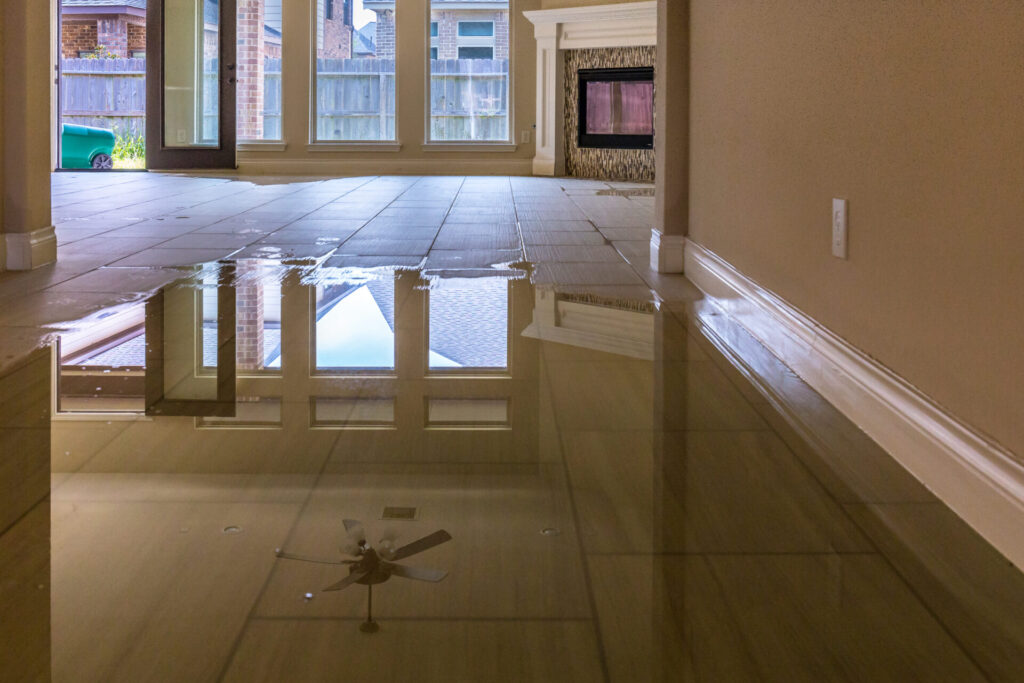
Aging appliances are another common cause of water damage. When hoses and pipes age, they are more prone to leakage, which can cause puddles, or even flooding, depending on the appliance. Clogs in appliance hoses or drains are also a common culprit of water backing up and causing damage.
Prevention Strategies to Reduce the Risk of Water Damage
While there is no foolproof way to prevent water damage, regular maintenance and preparation can help to mitigate damage and lead to more effective water damage restoration when something goes wrong.
Regular Home Maintenance and Inspection Tips
The most important home maintenance tip for avoiding severe water damage is to conduct regular inspections. While not all plumbing systems are easy to observe, a leak can cause yellowing walls or ceilings, bulges in walls or floors, suspicious puddles, and even standing water.
A small leak may not leave any telltale signs because the water may be reabsorbed into the air. However, homeowners should watch out for signs of increased home humidity levels and investigate the cause. Peeling paint, cracks in walls, and the appearance of mold or mildew on walls or in closets can be a sign of an undetected leak that could lead to further damage if not addressed.
Protective Measures for Severe Weather and Flooding
Protective measures for severe weather and flooding can help prevent severe water damage to homes and properties. In addition to performing regular maintenance and inspections to avoid water damage from structural issues, outdoor maintenance is especially important in case of severe weather. Homeowners should regularly inspect their homes for signs of damage or deterioration that could lead to water intrusion during severe weather or flooding. It’s important to promptly address issues such as roof leaks, damaged siding, cracked foundation, and deteriorated seals around windows and doors.
Keeping gutters and downspouts clear of debris, such as leaves, twigs, and sediment, will help to ensure proper drainage during heavy rainfall. Gutter guards or screens can prevent clogging and allow water to flow freely away from the home during a downpour, negating the need for water damage restoration.
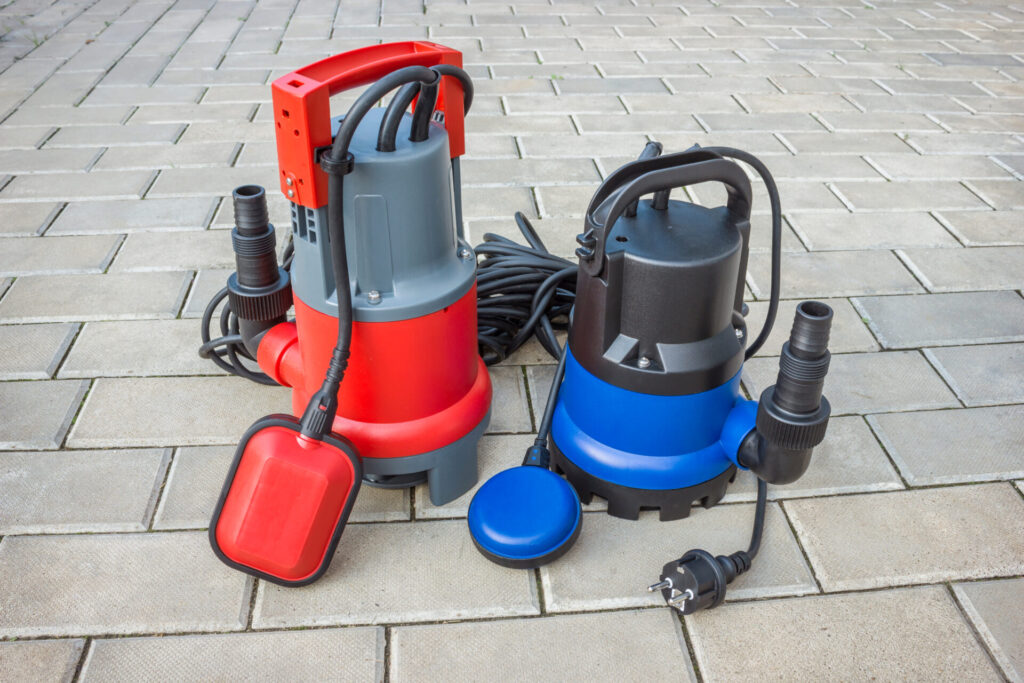
Basements and crawlspaces are particularly susceptible to water damage, so sealing foundation cracks and gaps to prevent water from seeping in can be another important preventative measure. A sump pump may be a good choice for low areas that are prone to flooding.
By implementing these protective measures, homeowners can reduce the risk of water damage during severe weather and flooding, safeguarding their homes and belongings against potential harm.
Effective Water Damage Remediation Steps
Effective water damage remediation involves prompt action to mitigate the damage and restore affected areas to their pre-loss condition.
Initial Response and Damage Assessment
Before beginning any remediation efforts, property owners should ensure the safety of occupants by turning off electricity to affected areas if it is safe to do so. They should focus on safety by wearing appropriate personal protective equipment (PPE), such as gloves, masks, and boots, to protect against potential hazards.
Once safety is ensured, property owners or remediation specialists should assess the extent of the water damage and document the affected areas, including taking photographs or videos to attach to insurance claims for restoration purposes. It may be necessary to identify the source of the water intrusion and determine the category and classification of the water (clean, gray, or black water) and the extent of contamination.
Water Removal and Drying Techniques
For water damage restorations, start by removing standing water using pumps, wet vacuums, or other water extraction equipment. Extract water from carpets, flooring, and affected areas to prevent further damage and promote drying.
Moisture detection tools such as moisture meters, thermal imaging cameras, or hygrometers can help identify hidden moisture pockets behind walls, ceilings, and floors. Thoroughly inspect the affected areas to ensure all moisture is identified and addressed.
As more moisture is identified, property owners can implement drying and dehumidification techniques to remove the excess moisture from the air and building materials. Air movers, dehumidifiers, and fans help promote airflow and accelerate drying while monitoring moisture levels regularly to track progress.
Long-Term Repairs and Restoration Methods
Drying an area is only the first step in repairing water damage and preventing future issues. Property owners should clean and sanitize belongings, furniture, and contents affected by water damage that can be saved. Some items may require specialized cleaning techniques or restoration services, particularly if there was sewage backup or blackwater involved in the flooding. Others may not be salvageable.
Once an area is dry, property owners or their chosen professionals should repair and restore structural elements such as drywall, insulation, flooring, and subflooring affected by water damage. Replace damaged materials as needed and ensure proper drying techniques are employed to prevent mold growth and structural deterioration in the future.
Working with Professionals for Optimal Recovery
There are many reasons homeowners or business owners may want to employ a professional company when preventing and repairing water damage. Not only do professional contractors know how to replace drywall and install fresh insulation, but some water damage can also be quite hazardous to clean and repair. For instance, when mold is growing unabated, it may not be safe to breathe freely in the area during the cleaning process. Mold remediation specialists can help while keeping property owners safe.
The Role of Public Insurance Adjusters in Water Damage Claims
Public insurance adjusters play a significant role in water damage claims by representing the interests of policyholders during the insurance claim process.
Navigating Insurance Policies and Maximizing Claims
Does a homeowner’s insurance policy cover water damage? As with so many insurance-related questions, the answer depends on several factors. Many insurance policies do not include flood insurance, which must be purchased separately through The National Flood Insurance Program in the U.S. However, water damage from leaky pipes or other natural disasters may be covered, depending on the policy.
Public insurance adjusters can help insurance policy holders navigate the process of filing an insurance claim and getting the maximum payout. These professional adjusters assess the extent of the water damage and document it thoroughly to support the insurance claim. They conduct detailed inspections of the property, gather evidence, and document the scope of the damage, including structural damage, content damage, and expenses for loss of use.
Public insurance adjusters also have expertise in interpreting insurance policies and understanding the coverage available, allowing them to offer policy holders water damage insurance claim tips. They review the terms, conditions, and exclusions of the insurance policy to determine the extent of coverage and ensure that policyholders receive the maximum compensation they are entitled to receive under their policies.
Finally, public insurance adjusters prepare and submit water damage claims on behalf of policyholders, ensuring that all necessary documentation and supporting evidence are included in the claim. They handle all aspects of the claim process, including completing claim forms, submitting documentation, and communicating with the insurance company on behalf of the policyholder.
Protect and Recover Your Property with WorldClaim
The public insurance adjusters at WorldClaim can help both homeowners and business owners file water damage claims and get the payouts they deserve. On average, our clients’ settlements are 47.5% above insurance companies’ initial offers, with some as much as 100% higher. We can tackle all the details and make sure the claim receives the due diligence it deserves and the settlement it demands.
Contact us today to develop a plan and start repairing your property before the damage gets worse.