
Each year, residents of Gulf Coast and Atlantic Coast states have to contend with the possibility of hurricanes. In 2024, there are indications that the likelihood of hurricane landfall in Florida is greater than in an average year, meaning preparation for Florida hurricane season 2024 is more important than ever.
Expert Predictions for When Florida Could Experience Hurricanes this Year
According to the Colorado State University (CSU) Department of Atmospheric Science, the 2024 hurricane season is expected to be “extremely active.” Due to warm ocean waters and La Niña conditions, there is a 34% chance that at least one major hurricane (category 3, 4, or 5) will make landfall on the U.S. East Coast, including Florida, and a 42% chance that a major hurricane will make landfall on the Gulf Coast, including the Florida Panhandle.
These percentages are higher than average predictions for hurricane data between 1880 and 2020 in both locations, meaning residents should be prepared. Hurricane season for the Atlantic runs from June 1, 2024, through November 30, 2024, with mid-August to mid-October typically being most active.
Looking Back at Recent Years
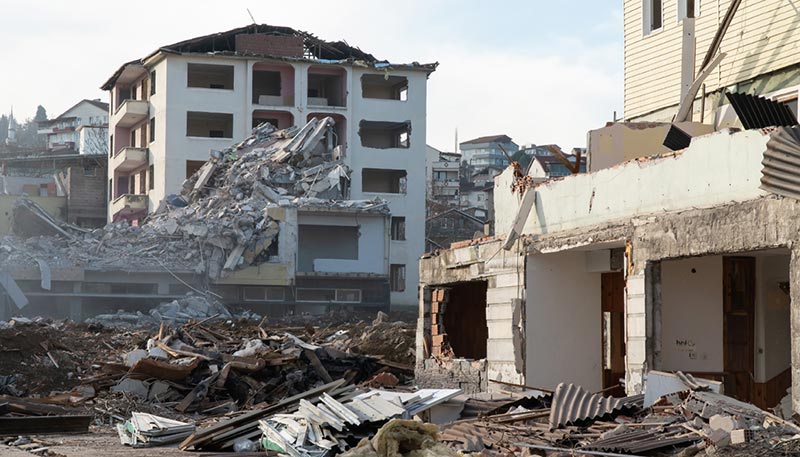
Since 2000, 79 tropical or subtropical cyclones have impacted Florida, resulting in substantial damage. For example, in 2004, one out of every five homes in Florida suffered damage from hurricanes and tropical storms. As a Category 5 storm, Hurricane Michael in 2018 was the strongest storm to hit Florida in the 21st century and was deemed the most intense hurricane to make landfall in the U.S. during the month of October, owing to its high wind speeds.

Understanding Hurricane Categories and Their Impact
Hurricanes are reported as a category between one and five, which are determined using the Saffir-Simpson Hurricane Wind Scale, and estimates the amount of damage possible or likely in the event of landfall.
- Category 1: Characterized by winds of 74 to 95 miles per hour (mph), meaning some damage is likely to occur. Notably, Hurricane Katrina in 2005 was a Category 1 storm.
- Category 2: Characterized by winds of 96 to 110 mph, meaning extensive damage is likely to occur. In Florida, Hurricane Francis in 2004 was a Category 2 storm.
- Category 3: Characterized by winds of 111 to 129 mph, meaning devastating damage is likely to occur. Hurricane Irma, in 2017, was a Category 3 storm.
- Category 4: Characterized by winds of 130 to 156 mph, meaning catastrophic damage is likely to occur.
- Category 5: Characterized by winds of 157 mph or higher, meaning even more catastrophic damage is likely. Hurricane Andrew in 1992 was a Category 5 storm.
The National Weather Service (NWS) is a good source for detailed information about hurricane categories and the specific type of damages that are likely for each, such as uprooted trees, broken shingles, and downed power lines.
Getting Prepared Ahead of Hurricane Watches
The benefit of knowing in advance that hurricane season is coming is homeowners and businesses can prepare ahead of time. There are many resources for preparing for the worst ahead of a hurricane watch, including the Centers for Disease Control and Prevention (CDC), the NWS, ready.gov, and the State of Florida website for state-specific information.
Checklist for Homes
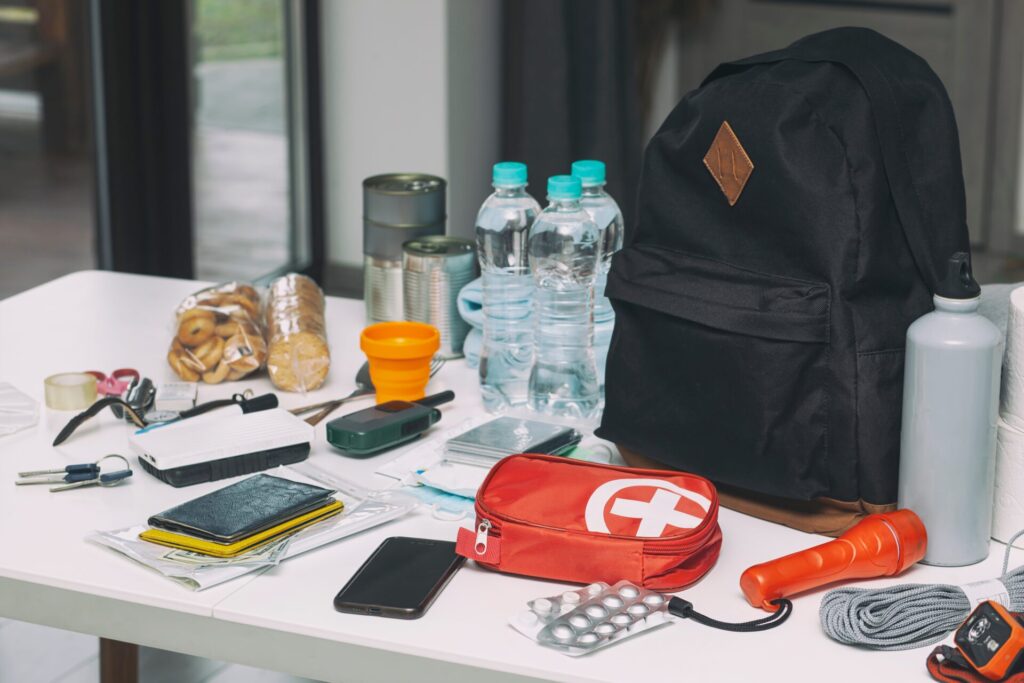
The most important thing to do to prepare for a hurricane as a homeowner is make sure you and your family can ride out a storm at home or evacuate safely. This includes creating a basic emergency kit with food, water, flashlights, important documents, identification, and essential medication.
Whether you evacuate or not, the structure of your home will also need to be prepared for hurricane season. Some of the most critical steps to take before a storm to protect your property include:
- Trimming trees and clearing your yard of potential hazards, including bikes, lawn furniture, propane tanks, and anything that could blow around and cause injuries or property damage in the storm
- Protecting exterior windows and doors with storm shutters or plywood
- Turning off power to your home if you witness flooding or downed power lines or if you evacuate
- Checking carbon monoxide (CO) monitors and replacing batteries if necessary
- Locating and reviewing your hurricane insurance policy so you know what is covered and if there are any actions that may be required for coverage, such as tree trimming or other maintenance
This is a basic checklist for preparing a home for a hurricane to mitigate damage caused by an impending storm, but every property may have its own needs.
Checklist for Businesses
Florida business owners also must prepare their businesses for hurricane season each year. With Florida hurricane season 2024 expected to be intense, it is never too soon to evaluate a business for its hurricane preparedness. The following are a few steps business owners can take to get prepared:
- Perform regular maintenance: Replacing aging windows and doors, performing tree maintenance, and inspecting and repairing roofs can go a long way toward helping a business property weather a storm.
- Prepare windows and doors: Use plywood or storm shutters to protect windows, which are prone to breaking in high winds.
- Protect the business from flooding: Pile sandbags to create barriers to flooding and store critical property and inventory on upper levels.
- Create and maintain a collection of emergency supplies: Emergency lighting, sandbags, plastic sheeting, tools, and anything else that may be necessary to aid in recovery from a hurricane should be easily accessible and regularly checked.
More information on preparing a Florida business for hurricanes is available from ready.gov and the Small Business Association (SBA).
Emergency Alerts and News Outlets to Keep an Eye On
Florida residents can access emergency alerts during hurricane season in a few ways. The National Oceanic and Atmospheric Administration (NOAA) maintains a live hurricane activity map, the NWS reports on hurricane activity as it happens, and floridadisaster.org, a division of the state’s emergency management system, tracks local Florida weather and alerts.
Local Florida news outlets will also report on hurricane activity specific to their region, so residents can tune into their local channel of choice for up-to-the-minute information about an impending storm and evacuation orders. Hurricane kits should include a hand crank emergency radio to monitor hurricane updates if internet access and television are unavailable.
Evacuation Routes in Florida
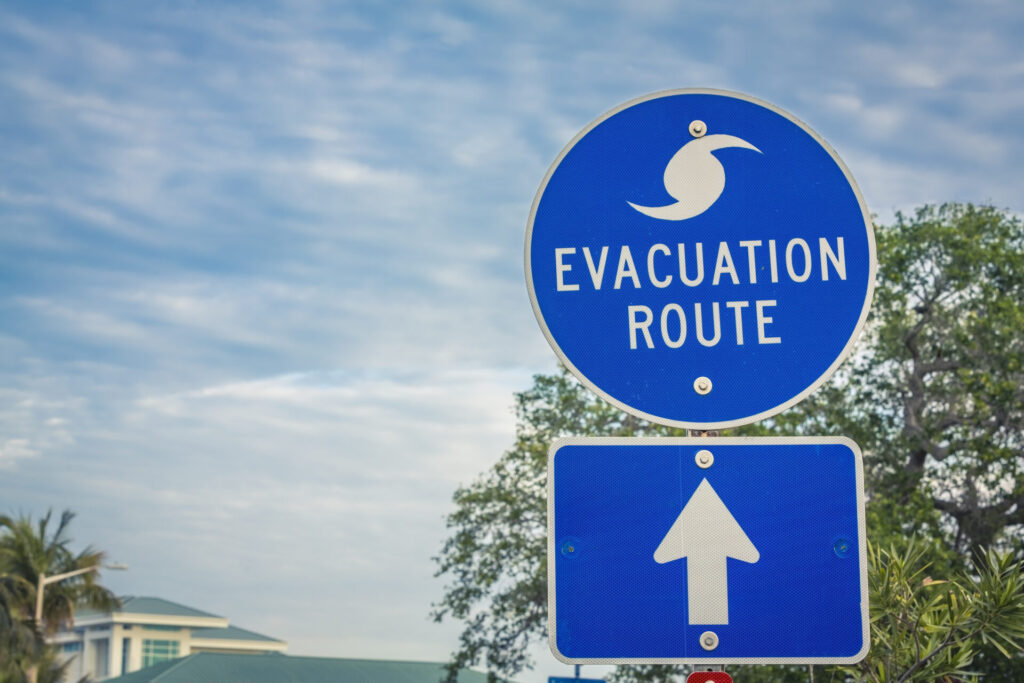
Floridadisaster.org maintains a dynamic map of evacuation zones for the entire state. Users can enter the address of their homes or businesses and determine their zones and whether they are under evacuation orders. The Florida Disaster website is also the best place to determine open evacuation routes in Florida when residents receive evacuation recommendations or orders. Additionally, each Florida county has its own emergency management office that will provide details for that county. They may have a website or social media profiles that are updated with pertinent information during a storm.
Determining Whether to Stay or Evacuate
The best way for Florida residents to determine whether to stay home or evacuate before a hurricane is to follow the local emergency management services’ order. While evacuating can certainly be inconvenient, it is often the safest option when meteorologists and other officials determine a high risk for property damage, injury, or even death. Local shelters are a safe choice, and many allow residents to bring pets to ensure the safety of the whole family.
Safety Tips for Riding Out a Storm
Evacuation is not always required or necessary during hurricane season. Sometimes the risk for damage and injury may be low enough that officials do not recommend or require evacuation. Other times, a storm may form so quickly that there is not time to safely evacuate. In either case, following a few tips to safely ride out a storm at home can help. These tips include:
- Prepare a complete and up-to-date emergency kit, including food, clean drinking water, and medication for every member of the family, including pets.
- Make sure the property is secured against high winds, especially windows and doors.
- Stay inside and away from windows during the storm. Do not go outside until the storm has passed completely.
- Be prepared to turn off the home’s power in case of flooding or downed power lines.
- Know that you may still need to leave and go to a local shelter or a neighbor’s house if your home becomes damaged to the point that it is not safe to stay.
Always listen to evacuation orders from authorities and evacuate when asked to do so.
Recovering from the Damage of a Hurricane
Once a hurricane has passed, the rebuilding of homes and businesses damaged during the storm can start. Property owners with hurricane insurance can start by documenting all damage and filing insurance claims with their insurance companies.