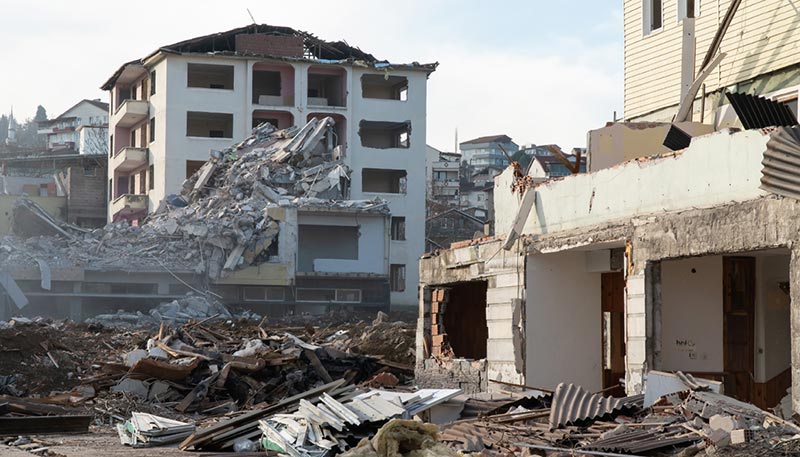
Earthquake preparedness is crucial for homeowners to ensure personal safety, protect property from damage, maintain financial security with insurance coverage, bolster community resilience, and provide peace of mind during seismic events. Advance preparation also reduces the risk of injury, property loss, and emotional distress if an earthquake occurs.
Essential Preparedness Steps for Homeowners
In some regions, such as California, different magnitude earthquakes occur regularly each year. Homeowners living in an earthquake-prone region should take critical steps to prepare their homes for a significant earthquake, starting with obtaining earthquake insurance coverage.

Securing Your Home and Belongings
Before a big earthquake hits, homeowners should take time to secure their homes and belongings against shaking. Basic steps for securing a property and belongings in the event of an earthquake include:
- Anchoring heavy furniture and appliances to walls
- Installing latches on cabinets to prevent contents from spilling out during an earthquake
- Strapping water heaters to prevent tipping
- Using quake-resistant building materials and reinforcing structural elements
- Securing valuables and breakable items in low, closed cabinets
- Conducting regular inspections to identify and address potential hazards
Creating an Effective Emergency Plan
An effective earthquake preparedness plan or emergency plan for a homeowner should include assessing the home for safety in advance of the earthquake and developing a communication plan for the entire household during and after the earthquake. Creating an effective emergency plan for an earthquake involves several key steps:
- Identify Potential Risks: Understand the earthquake risks specific to the area and assess potential hazards in and around the home.
- Develop a Communication Plan: Establish a communication strategy for family members, neighbors, and emergency contacts. Determine how the family will stay in touch during and after an earthquake, including selecting backup methods if traditional communication channels are unavailable. At least one out-of-state contact should be part of the emergency communication plan, if possible.
- Identify Safe Zones: Identify safe locations within the home and nearby where the family can take cover during an earthquake, such as under sturdy furniture or in doorways. Also, identify outdoor areas away from buildings, trees, and utility wires where you can safely evacuate if necessary.
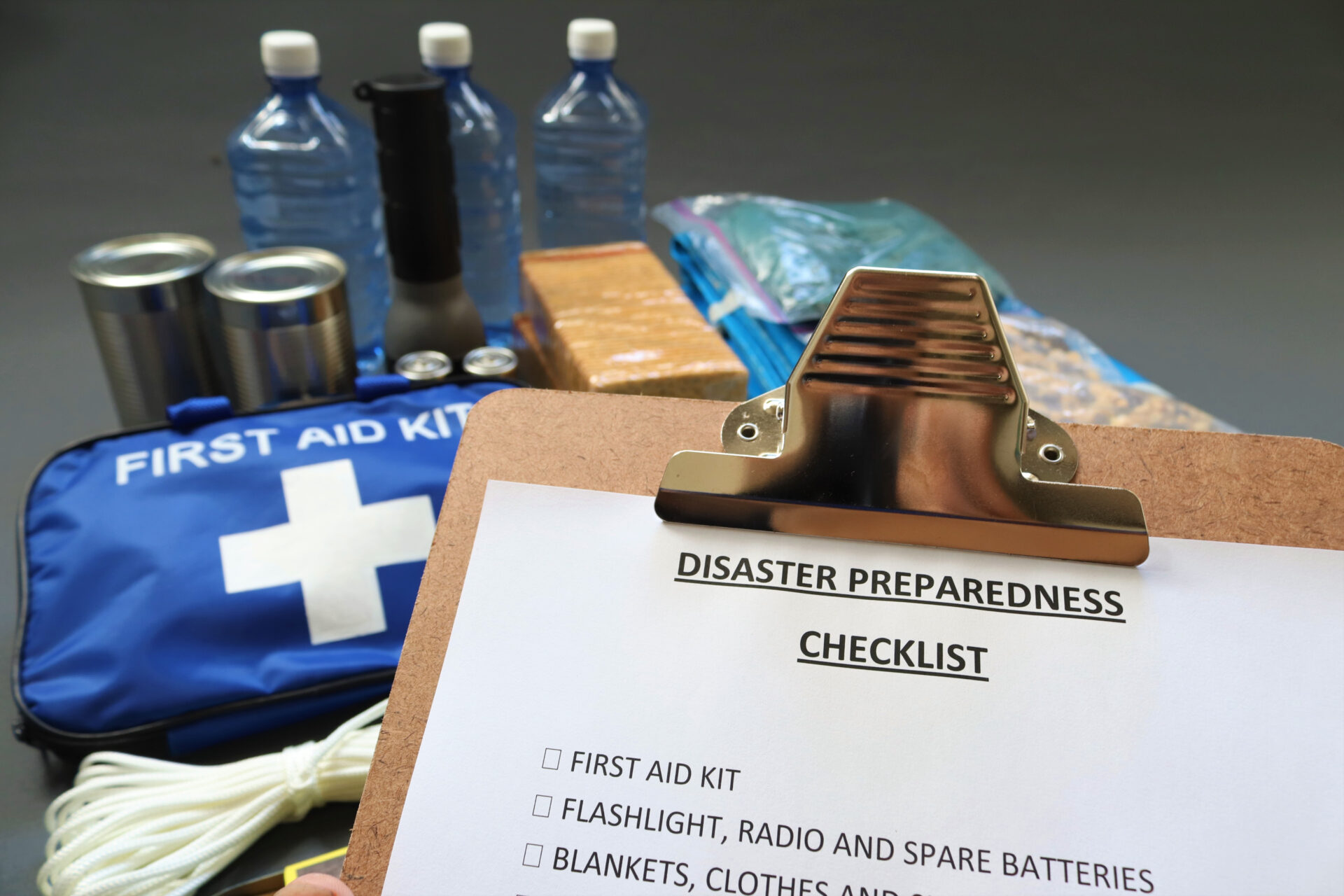
- Create an Emergency Kit: Assemble an emergency kit with essential supplies such as water, non-perishable food, first aid supplies, flashlights, batteries, a multi-tool, and personal hygiene items. Ensure that the kit is easily accessible and regularly check and replace supplies as needed. The U.S. Department of Homeland Security recommends that an emergency kit include at least one gallon of water per day per person in the household for several days as well as several days’ worth of non-perishable food.
- Establish Evacuation Routes: Plan primary and alternative evacuation routes from the home and neighborhood. Homeowners should be familiar with local evacuation procedures and designate meeting points where family members can reunite if separated during an earthquake.
- Educate Family Members: Ensure that all family members are aware of the emergency plan and understand their roles and responsibilities. Teach children how to respond during an earthquake and practice drills regularly to reinforce preparedness measures.
- Stay Informed: Stay informed about earthquake risks, warning signs, and official alerts through local authorities, emergency management agencies, and reputable sources such as government smartphone apps. Monitor seismic activity and heed evacuation orders and other directives from authorities.
- Review and Update Regularly: Regularly review and update the earthquake emergency plan to account for changes in family dynamics, living arrangements, and community resources. Practice drills and revise the plan as needed to ensure earthquake preparedness.
By following these steps and customizing an emergency plan to suit a family’s specific circumstances, homeowners can increase their preparedness and resilience in the face of an earthquake.

What to Do During an Earthquake
During an earthquake, homeowners and their family members should remember:
- Drop: When shaking begins, drop to the ground onto your hands and knees. Do not run outside and avoid doorways.
- Cover: Find a sturdy piece of furniture, such as a table or desk, and get underneath it.
- Hold on: Hold onto the furniture until the shaking stops.
There are specific recommendations for other scenarios as well. If someone is outdoors during an earthquake, they should remain outdoors and move away from buildings. In a car, the driver should stop safely and engage the parking brake. If an earthquake occurs at night while the homeowner is in bed, they should turn face down and put a pillow over their head and neck.
Immediate Safety Measures
Once the earthquake has stopped, it’s important to take a few safety measures, including:
- Go outside if there has been significant damage to the building.
- Go inland if there is a risk of tsunamis.
- Send a text or bang on a pipe if you are trapped and need to be rescued.
- Assess yourself for injuries and help others when possible.
It is important to remember and be prepared for aftershocks that typically follow a major earthquake.
Post-Earthquake Assessment and Safety Checks
After an earthquake and its aftershocks have ended, homeowners can begin to assess their property for safety and potential insurance claims for earthquake recovery.
Inspecting Your Property for Damage
If the homeowner and family members are safe and uninjured, it is important to inspect the home for damage from both a safety and an insurance recovery perspective. Even when it seems like there was no damage, there can be unseen issues such as broken gas pipes or water leaks that can lead to significant problems if they are not addressed quickly.
Identifying Hazards and Ensuring Safety
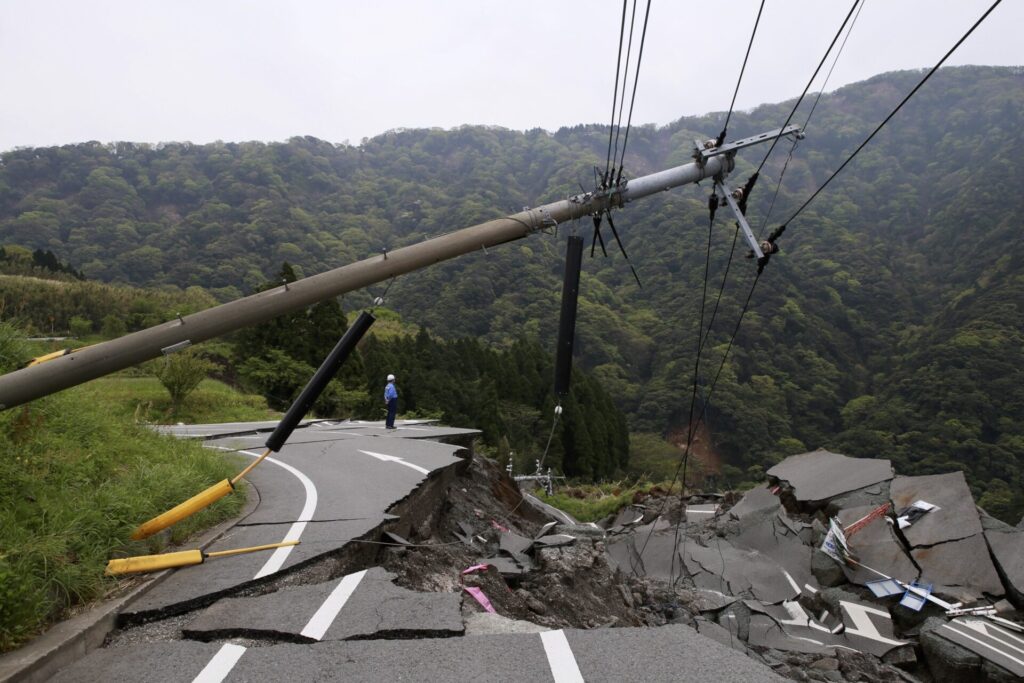
After an earthquake, homeowners should look for hazards such as gas leaks, damaged electrical lines, and structural damage. If there is a natural gas smell or a suspected leak, turn off the gas supply and evacuate the area immediately.
Inspect other utilities such as water and electricity for damage. Shut off utilities to look for suspected leaks or damage, and do not use them until they have been inspected and deemed safe by professionals.
Avoid entering damaged buildings or areas with visible structural damage. Keep a safe distance from collapsed structures, downed power lines, and unstable debris. Exercise caution with items that could pose fire hazards, including candles, matches, and open flames. Avoid using them until you can confirm that there are no gas leaks or other risks present. Remember to stay calm, stay informed, and prioritize safety above all else.
Recovery and Repair Process
For homes with minor damage, earthquake recovery and repair can happen quickly. Many earthquakes are small, and damage may be extremely minor and not warrant an insurance claim. In the case of bigger earthquakes and more significant damage, following the required earthquake insurance coverage claim process will be necessary.
Cleaning Up and Making Temporary Repairs
In the aftermath of an earthquake, cleaning up the area for safety is top priority, followed by making any necessary repairs. Homeowners should begin by assessing structural damage, prioritizing securing any hazards like broken glass, unstable structures, and gas leaks. Because other homes may have more significant damage or injuries, it’s important to clear pathways for emergency access and evacuation routes by safely removing debris, focusing on larger items first.
Before making an insurance claim, it may be necessary to make temporary repairs to prevent further damage, such as covering broken windows or securing loose roofing materials. Every type of damage must be documented for insurance purposes. Stay informed about aftershocks and follow official guidance for further actions and long-term repairs.
Navigating Insurance Claims After an Earthquake
As with any major natural disaster, making an insurance claim after an earthquake involves navigating an insurance company system that is likely overloaded. Keep in mind that most standard homeowners’ insurance policies do not include earthquake coverage, and this coverage must be purchased separately.
Navigating insurance claims after an earthquake requires thorough documentation of damage, including photos and descriptions. Contact your insurance provider promptly, review your policy for coverage details, and follow their instructions for filing a claim. Keep records of all communication and be prepared for possible delays in processing.
Documenting Damage and Filing Claims
Perhaps the most important part of filing an insurance claim after a natural disaster like an earthquake is documenting the damage. Document damage with photos, videos, and written descriptions. The homeowner should contact the insurance provider promptly to file a claim and provide all necessary documentation. It’s also important to keep records of all communication. Claims will take time to process.
Protect and Rebuild with WorldClaim’s Expertise
If your home is damaged in an earthquake, working with a public insurance adjuster can help you navigate the complexities of an earthquake insurance claim. A public insurance adjuster works for you, not the insurance company, and they know the type of documentation and level of communication it takes to get the claim payout you deserve. If your home has earthquake damage, reach out to WorldClaim today to learn more about our services so you can start recovering and rebuilding.