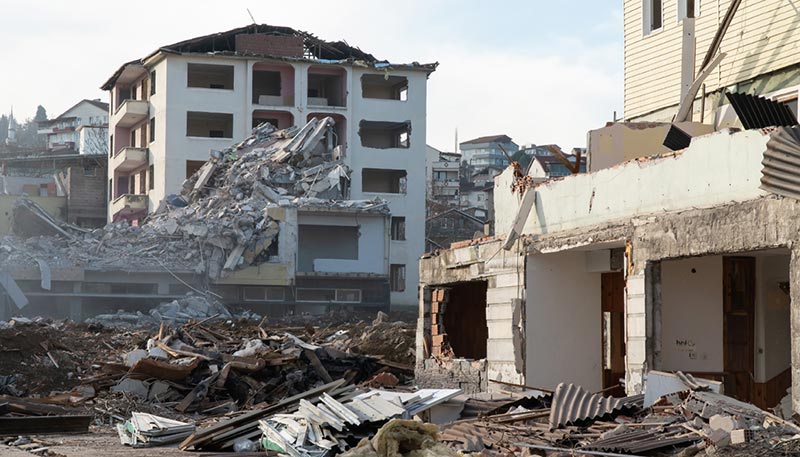
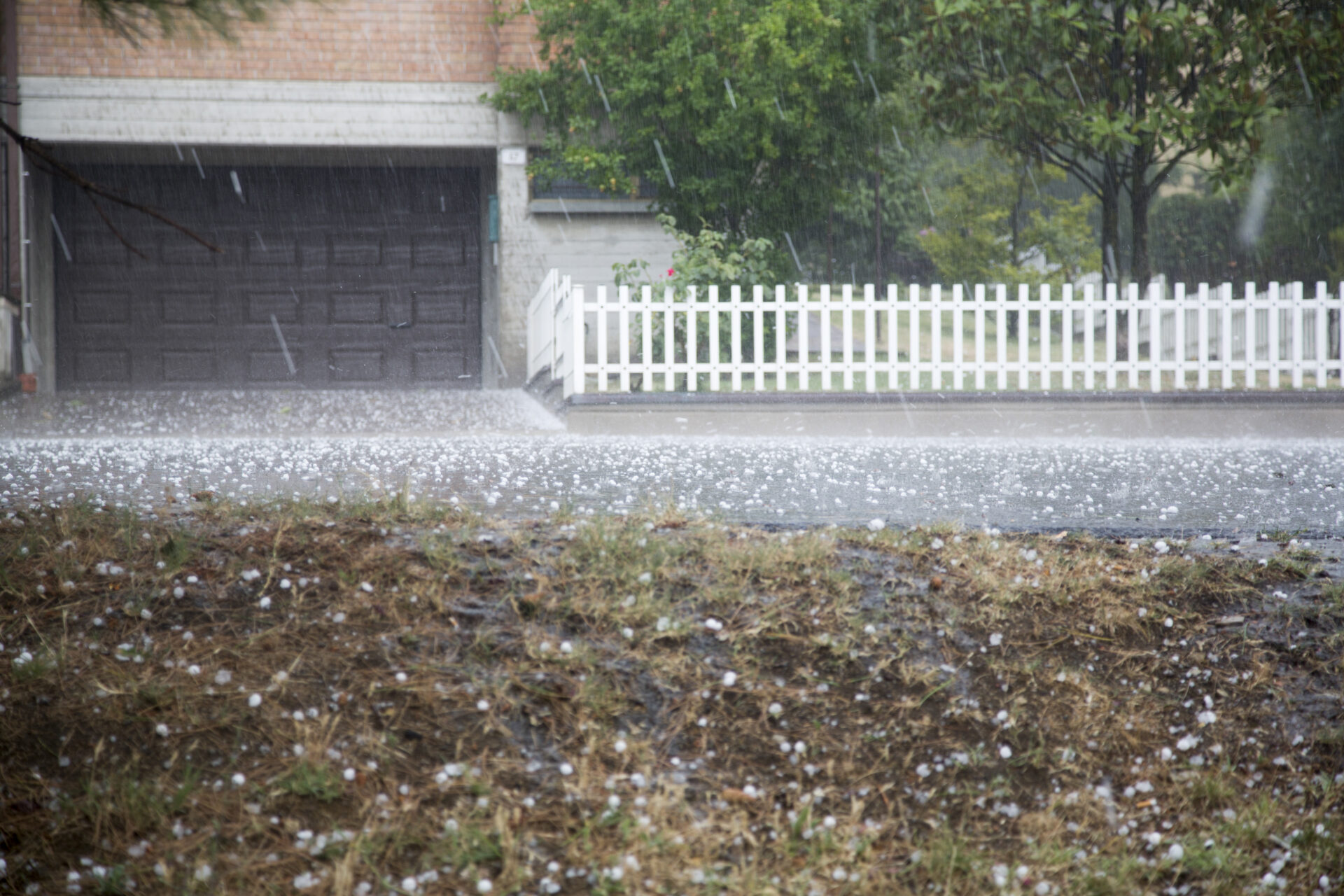
Hail can cause significant property damage, including roof and siding damage, shattered windows, dented vehicles, and harm to outdoor structures. The impact of hailstones, which can range from small pellets to large chunks, results in dents, cracks, and punctures in roofing materials, siding, and exterior surfaces. Broken windows leave properties vulnerable to water damage and compromised structural integrity.
Hail damage to vehicles often includes dents and broken glass, leading to costly repairs. Additionally, outdoor furniture, HVAC units, and landscaping may incur damage. Hailstorms pose a substantial risk of property damage, necessitating prompt assessment and repair.
How Hail Forms and Strikes
Hail forms within severe thunderstorms when strong updrafts carry raindrops into extremely cold areas of the atmosphere, where they freeze into ice pellets. Severe thunderstorms often have strong updrafts, which are powerful upward-moving currents of air. These updrafts can lift water droplets high into the atmosphere. As they are carried upward by the updrafts, they freeze once they encounter temperatures below freezing (0°C or 32°F).
Supercooled water droplets encounter ice nuclei, such as dust particles, pollen, and other atmospheric particles, and rapidly freeze onto the particles, forming tiny ice crystals. The newly formed ice crystals act as nuclei for attracting and freezing additional supercooled water droplets. As the hailstone is carried by the updraft, it moves up and down within the storm cloud, encountering additional layers of supercooled water droplets and freezing onto them. This process, known as accretion, results in the gradual growth of the hailstone.
Eventually, the hailstones become too heavy for the updrafts to support, and they fall to the ground, often accompanied by heavy rain and strong winds.
Regions Most Prone to Hailstorms
Regions most prone to hail include the central United States, also known as “Tornado Alley” for its frequency of storms with damaging winds. This region encompasses parts of Texas, Oklahoma, Kansas, and Nebraska, where severe thunderstorms frequently occur. Additionally, the Great Plains region, extending into the Midwest and the Rocky Mountains, experiences high hail frequency due to its atmospheric conditions.
Other regions prone to hail include parts of central and southern European countries, such as France, Germany, and Italy, along with portions of Argentina and South Africa. These areas often experience severe thunderstorms with strong updrafts, leading to the formation of hailstones.
Identifying Hail Damage on Your Property
Identifying hail damage to your property involves inspecting various surfaces for signs of impact from the hailstones. Check roofs for dents, cracks, and missing shingles, as well as gutters and downspouts for dents and dings. Examine siding for dents, chipping, and holes and windows for cracks and shattered glass. Outdoor equipment, such as air conditioning units and vehicles, may show dents or dings. Look for damage to outdoor furniture, fences, and landscaping. Water stains and leaks indoors can also indicate roof damage.

Roof and Exterior Building Damage
Hail can cause various types of damage to roofs and exterior building surfaces:
- Roof Damage: Hail can result in dents, cracks, and punctures in roofing materials, such as asphalt shingles, wood shakes, metal panels, and tiles. This damage compromises the integrity of the roof, making it more susceptible to leaks and water infiltration.
- Shingle Damage: Asphalt shingles may show signs of granule loss, bruising, or cracking from hail impacts. Wooden shakes can split or crack, while metal roofing panels may dent or develop holes.
- Gutter and Downspout Damage: Hail can dent or bend gutters and downspouts, hindering proper drainage and potentially leading to water damage to the building’s exterior and foundation.
- Siding Damage: Hail can cause dents, chipping, or cracks in siding materials, such as vinyl, wood, aluminum, or fiber cement. This damage not only affects the building’s appearance, but can also compromise its weatherproofing and insulation.
- Window and Door Damage: Hail impacts may result in cracked or shattered windows, broken glass in doors, and damage to window frames and sills.
- Exterior Paint Damage: Hailstones could chip or crack exterior paint, exposing underlying surfaces to moisture and leading to deterioration over time.
- Outdoor Fixtures and Equipment: Hail often dents and damages outdoor fixtures, such as light fixtures, HVAC units, satellite dishes, and fences.
Hail damage to roofs and exterior building surfaces can vary in severity, depending on factors such as the size and density of hailstones, the type of materials used, and the duration of the hailstorm.

Landscape and Vehicle Impact
In addition to the roof and exterior of a building, hail can cause extensive damage to anything that is outside during the storm, including landscaping and vehicles. Hail often damages plants, flowers, and trees on a property, which can impact the aesthetic appeal and possibly cause safety issues, particularly in the case of trees and damaged branches.
In addition, intense hailstorms can dislodge soil particles and create erosion, especially in bare soil areas and areas with insufficient ground cover. Soil erosion can lead to nutrient loss, water runoff, and decreased soil fertility.
Vehicles that are stored outdoors may also suffer from hail damage, including cracked or shattered windows and windshields as well as denting. Fixing hail damage to cars is typically more straightforward than repairing other property damage.
Immediate Actions After Hail Damage
Immediately following a hailstorm, property owners can take a few steps to ensure their property’s safety. As soon as it is safe to do so, assess the state of the property, including damage to the exterior of the building, roof, and any outdoor areas. Once the damage is assessed, owners can implement temporary measures to prevent further damage.
Assessing and Documenting the Damage
When a hailstorm causes property damage, the property owner should promptly document it for potential insurance claim recovery. Documentation may include photos, videos, and written documentation of any property damage.
Insured property owners should be sure to document the state of the property at the time they purchase their insurance policies. That documentation will provide context for any documented damage and may speed up insurance claim processing for any necessary hail damage repairs.

Temporary Measures to Prevent Further Damage
Because hail can cause damage to glass and roofing, protecting the property from further damage largely means ensuring that further moisture does not enter the property through hail-caused holes. Property owners can cover broken windows and holes in the roof with waterproof tarps or other waterproof materials. Damaged vehicles should also be protected against the elements. Removing broken glass from a car’s upholstery and around the vehicle is also a good idea.
Long-Term Implications of Hail Damage
The long-term implications of hail damage depend on the severity of the damage, speed of repairs, and future potential for damage from more storms. When not properly addressed, hail damage can result in structural weaknesses, leaks, and even property value decline over time.
Structural Weaknesses and Potential Leaks
Hail can cause structural weakness in buildings, particularly in roofing materials and exterior surfaces. Hail impacts can lead to dents, cracks, punctures, and granule loss in roofing materials, such as asphalt shingles, wood shakes, metal panels, and tiles. This damage compromises the integrity of the roof, making it more susceptible to water infiltration, leaks, and structural deterioration over time.
Hail damage to roofing materials and exterior surfaces can expose underlying insulation materials to moisture and weather elements. Wet insulation loses its effectiveness and may contribute to energy loss, reduced thermal performance, and increased heating and cooling costs.
Prolonged exposure to moisture and weathering resulting from hail damage can lead to structural deterioration in building components such as wood framing, sheathing, and support beams. This deterioration compromises the overall stability and safety of the building.
While individual hail impacts may not always result in immediate structural failure, repeated hailstorms or cumulative damage over time can weaken building structures and contribute to long-term structural problems.
Impact on Property Value and Aesthetics
In addition to the clear physical damage caused by hail, such as leaks, roof damage, and broken windows, hail damage can impact a property’s value over time. For instance, if hail damages landscaping, it can have a negative impact on the property’s curb appeal. Damage to a property’s exterior, such as siding, can also decrease the aesthetic appeal of the building and its overall value.
Navigating Insurance Claims for Hail Damage
Hail damage is covered by many insurance policies. However, some policies do require a separate wind and hail deductible before the coverage pays for damage. Wind and hail deductibles are typically between 1% and 10% of the overall property coverage, depending on the policy.
Understanding Your Policy Coverage
Does insurance cover hail damage? Although most policies do include hail damage coverage, in the aftermath of a storm is not the time to wonder what is covered. Property owners should consider regular reviews of their policies to make sure they fully understand their coverage, particularly any limitations.
Tips for Filing a Successful Claim
Filing a successful hail damage insurance claim involves careful preparation and adherence to specific steps. These tips can help ensure a smooth and successful process:
- Document Damage: Immediately after the hailstorm, thoroughly document all hail damage to the property. Take photographs and videos of the damage from multiple angles, both close-up and wide shots, to provide clear evidence for your insurance claim. Make a detailed inventory of all affected areas and items, including roofs, siding, windows, vehicles, and outdoor structures.
- Review Insurance Policy: Review your insurance policy to understand coverage limits, deductibles, and any specific requirements or exclusions related to hail damage. Get familiar with the claims process outlined in your policy to ensure compliance with all necessary procedures.
- Contact Insurance Company: Contact the insurance company as soon as possible to report the hail damage and initiate the claim process. Provide detailed information about the extent of the damage, including date and time of the hailstorm, affected areas, and any immediate safety concerns.
- Follow Claim Procedures: Follow the claim procedures outlined by your insurance company, including submitting all required documentation and completing any necessary forms promptly. Keep copies of all correspondence, emails, and documents related to your claim for your records.
By following these tips and remaining organized and proactive throughout the claim process, you can increase the likelihood of filing a successful hail damage insurance claim and receiving adequate compensation for your property damage.
Professional Assistance in Hail Damage Recovery with WorldClaim
If you encounter difficulties or disputes with your insurance company during the claim process, consider hiring a public adjuster to represent your interests. Public adjusters are licensed professionals who can help negotiate with insurance companies to ensure you receive fair compensation for your hail damage claim. WorldClaim public insurance adjusters know how to navigate the complexities of filing a hail damage repair claim, and they can help you recover what you are owed.