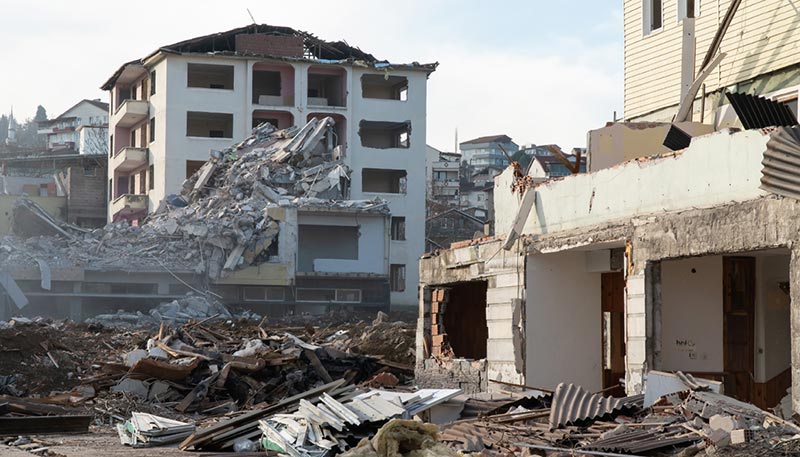

Emergencies can happen at any time. Whether you experience an unexpected natural disaster like an earthquake or a seasonal weather event like a hurricane or wildfire, it is important to be prepared. Thankfully, with some forethought, homeowners can prepare themselves and their families for the possibility of an emergency and be ready to weather any crisis that may arise.
The Importance of Being Prepared for Emergencies
Based on the nature of emergencies, time is always of the essence. By preparing for a potential emergency beforehand and even practicing for emergency scenarios, homeowners can ensure they are ready to act in case an emergency occurs. According to surveys from the Federal Emergency Management Administration (FEMA), more than half of households in the U.S. believe they are prepared for an emergency. On the other hand, this self-reported data indicates that nearly half of Americans know they are not prepared for a potential emergency, which puts them at higher risk for extensive damage and even injury or death should an emergency situation occur.
Assessing Your Risk for Different Emergencies
Although many emergency events may be unpredictable, homeowners should understand their risk for specific events. For instance, a homeowner in Texas may be at a much lower risk for earthquakes than a homeowner in California, but they have a much higher risk of experiencing tornadoes and hurricanes.
To assess your risk for different emergencies, homeowners can access FEMA’s National Risk Index, which includes an interactive map that shows which communities are most at risk for certain types of natural disasters, including:
- Earthquakes
- Coastal Flooding
- River Flooding
- Tornado
- Hurricane
- Wildfire
- Hail
The risk index is calculated by multiplying the expected annual financial loss by the calculated social vulnerability of the region and adding community resilience. Risks are rated between 0 (no rating or not applicable) to 100 (very high risk). Homeowners who live in areas with very high or high risk of certain natural disasters should definitely take steps to prepare for those types of emergencies.
The Impact of Unpreparedness
Without question, the impact of being unprepared for an emergency can be devastating. According to the National Institutes of Health (NIH), emergency preparedness is an essential public health priority. In the wake of the COVID-19 pandemic, for example, it became clear that many households were not prepared for a pandemic-type of emergency. Although an earthquake may differ significantly from a viral pandemic, the need for preparedness remains the same.
Furthermore, Saint Louis University indicates, “When people are unprepared for storms and other emergencies, it increases the likelihood of tragic deaths, economic damage and long-term social ramifications.”
Creating Your Emergency Preparedness Plan
Before the next disaster strikes, homeowners can prepare themselves, their families, and their properties for the potential impact. An emergency preparedness plan is a critical first step in ensuring everyone in your household knows what to do, how to access resources and services, and how to stay in contact with each other in an emergency.
Communication Strategies During an Emergency
Effective communication during an emergency is crucial for ensuring safety and coordinating emergency responses. The following list includes a few useful strategies to maintain communication with loved ones and emergency services during a disaster:
- Create a communication plan, including household contacts as well as at least one out-of-town contact
- Leverage multiple communication channels, such as phone calls, text messages, email, and social media
- Maintain an up-to-date emergency contact list with numbers for family members, neighbors, emergency services, utility companies, and insurance companies
- Sign up for government alerts and notifications
- Prepare for power outages by stocking backup phone batteries and generators
- Know your neighbors and check in with them during and after an emergency to provide assistance to each other
Evacuation and Shelter-in-Place Procedures
Whether your household will need to evacuate your home or shelter in place depends on the type of disaster, the advanced warning provided for the disaster, and official emergency management recommendations.
If you are advised to evacuate your home, leave as soon as possible. As soon as it looks evacuation may be necessary, homeowners should prepare a bag that includes all the essentials, such as medication, identification, changes of clothing, first aid supplies, and food and water. Families should inform their emergency contacts about their evacuation plans. If there is time, they should secure their homes and belongings before leaving, including locking doors and windows, turning off utilities, and unplugging electrical devices.
If sheltering in place is recommended, be sure to have easy access to emergency supplies and stay updated on the state of the emergency through local news on TV, radio, or social media. Remain indoors until officials indicate it is safe to leave.
Assembling an Emergency Kit for Your Home
A well-stocked emergency kit is critical for emergency preparation. Emergency kits should be assembled well ahead of a potential emergency, and they should be regularly inspected and refreshed to ensure that essentials are not expired.

Essential Items for Your Kit
According to FEMA, emergency kits should include essential items for all household members, including pets, that would last at least 72 hours. Essential items include:
- Food and can opener
- Clean drinking water (1 gallon per person per day)
- Medications
- Government IDs including social security cards and birth certificates
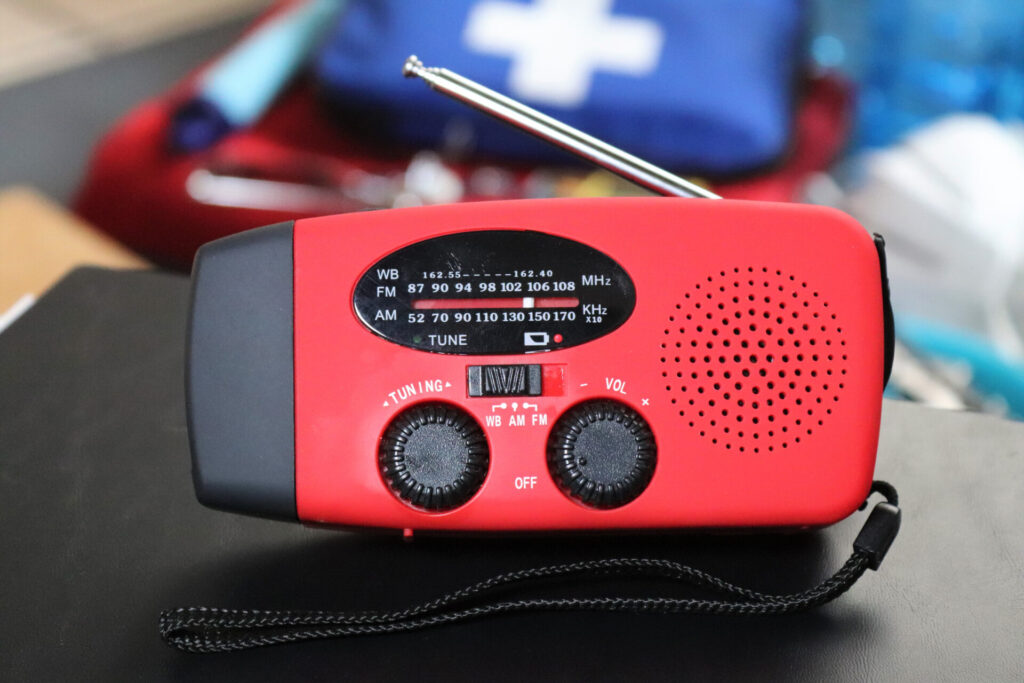
- A hand-crank radio
- Flashlights and spare batteries
- First aid kit
- Whistle
- Dust masks
- Plastic sheeting and duct tape
- Garbage bags and wet wipes
Necessary items may be different, depending on where the home is located. Colder climates may want to ensure they have plenty of warm clothing and blankets, while more drinking water may be a good idea for warmer areas to keep hydrated.
Special Considerations for Pets and Special Needs
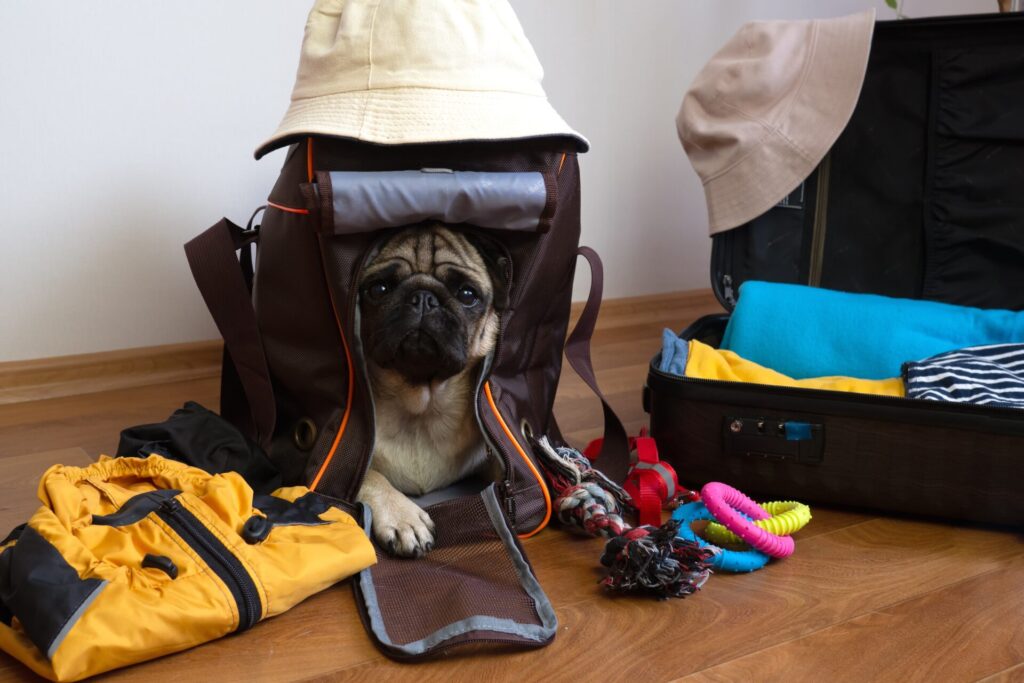
Pets are part of the family and require special consideration during an emergency. Loud storms may provoke pets to hide or run, so it is important to keep all pets secure until the danger passes. Many local emergency shelters do accept pets. Pet owners should research ahead of time the best, safest place for their pets in case evacuation is required.
Utility Safety and Backup Power Options
Power outages are common during emergencies. In addition to spare batteries for mobile phones and flashlights, a backup generator may be a worthwhile investment in some places. Homeowners should be sure they know how to use a generator safely.
Homeowners should also know the shut-off locations for all major utilities. In case of emergency, it may be necessary to turn off gas, electricity, or water to prevent fires, leaks, and flooding.
Staying Informed Before and During Emergencies
Local officials should stay in constant, open communication as an emergency situation progresses. If power outages are not an issue, individuals can use TV and radio reports to stay informed. Many emergency management officials also use social media platforms to keep the public updated on developments in real time.
Post-Emergency Assessment and Recovery
When residents are out of danger, damage assessments and recovery can begin. How to assess damage, how to make a claim, and what is covered will all depend on the individual insurance policy as well as the type of disaster that occurred.
Seeking Assistance and Making Insurance Claims
Once an emergency has passed and it is safe to return to your home (if you evacuated), it is important to assess any damage thoroughly and initiate contact with your insurance provider. Your insurance provider will likely be inundated with calls in the aftermath of a major disaster. It’s important to be patient and get in touch as soon as possible. Follow the requirements provided by the insurance company to document damage and submit your claim.
Connect with WorldClaim for Professional Emergency Claim Support
The public insurance adjusters at WorldClaim can offer help after a disaster to support homeowners who have suffered a loss due to a natural disaster or other covered emergency. Public adjusters work for the policyholder and act as an expert liaison between the homeowner and the insurance company, making sure that you get the payout you deserve.
If you are still waiting for an insurance payout after an emergency, reach out to us today.