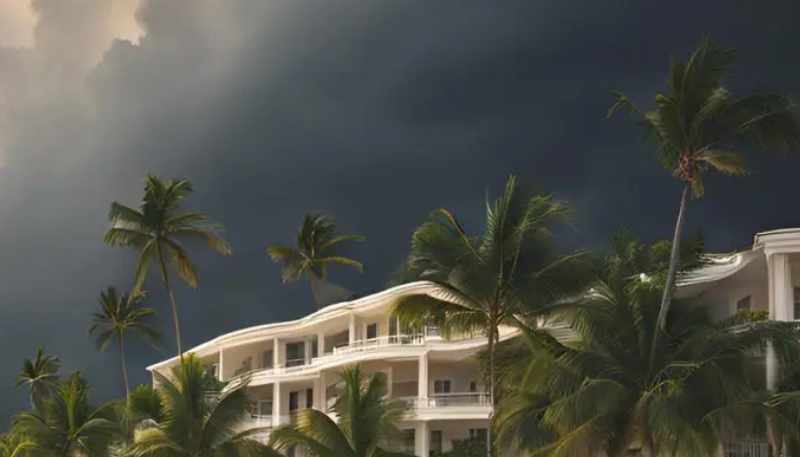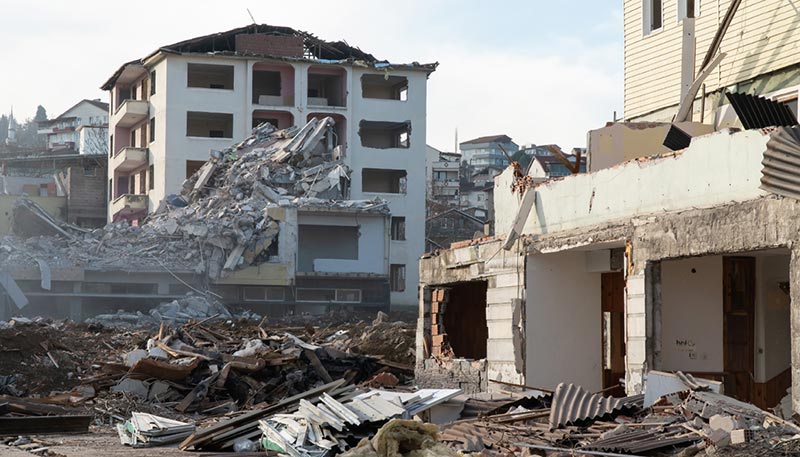
According to the National Weather Service, each year in the U.S., an average of 10 tropical storms develop in the Gulf of Mexico, Caribbean Sea, and Atlantic Ocean, with an average of six storms becoming hurricanes and three making landfall and causing destruction in the U.S. According to the data from the National Oceanic and Atmospheric Administration (NOAA), “Of the 363 billion-dollar weather disasters since 1980 (as of August 2023), tropical cyclones (or hurricanes) have caused the most damage: over $1.3 trillion total, with an average cost of $22.8 billion per event.”
With statistics like these as evidence, it’s easy to understand why homeowners would want to ensure they are protected in the event of a hurricane, particularly in hurricane-prone areas like the Gulf Coast and the Eastern Seaboard.
The Basics of Home Insurance
Homeowners’ insurance offers financial compensation for repairs and rebuilding when damage occurs due to a covered event. However, a basic homeowners’ insurance policy does not necessarily cover all types of damage. It is critical for homeowners to have a clear understanding of the details of their policies well before a natural disaster like a hurricane occurs.
Choosing the Right Coverage for Your Home
Choosing the right insurance coverage for a home is dependent on the priorities of the homeowner. Home insurance is not legally required by state or local governments in the U.S. unless the owner owes money to a mortgage company for the home.
Mortgage lenders typically have insurance requirements built into their loan agreements. The specific requirements are dependent on the lender, but most require that homebuyers be insured for the cost of rebuilding the home, with additional requirements for earthquake and flood insurance (not typically included in a basic insurance policy), depending on the location of the property. Some homeowners’ associations (HOAs) may also have insurance requirements for members.
Insurance Coverage Levels and Premiums
Many homeowners choose to pay for basic levels of insurance required by their mortgage lenders, which typically covers the home as well as:
- Other structures: This coverage protects things like sheds, detached garages, and other structures on a homeowner’s property that are not the actual home, which is covered under “dwelling coverage.”
- Personal liability: This coverage provides protection for the homeowner if someone is injured on their property.
- Personal property: This covers the cost of replacing personal property within the home. High-cost items such as jewelry and some electronics may need additional riders to ensure full coverage.
- Additional living expenses: This coverage provides reimbursement if the home becomes uninhabitable due to a covered event.
Every insurance company determines its own premiums, and the more coverage a homeowner chooses to carry, the higher the premiums are likely to be. Insurance policyholders should know their insurance limits, as required by their lenders and the insurance carriers. Having an insurance policy that does not meet these limits can lead to penalties for underinsurance.
How Does Hurricane Coverage Work?
Wind-only insurance policies, which can cover a significant portion of damage from a hurricane, are common in coastal areas. Homeowners’ insurance that offers hurricane coverage includes a separate hurricane deductible, which is determined by a percentage of the limit of the insurance on the home or dwelling. As with other insurance deductibles, when a hurricane damages a home, the homeowner must pay for repairs out of pocket up to the amount of the hurricane deductible before hurricane damage claims are eligible for reimbursement.
Hurricane or wind policy deductibles are in place in 19 states on the East Coast, Gulf Coast, and Washington, D.C. Flood insurance and windstorm insurance may also be applicable in the case of a hurricane, but they are separate from a hurricane deductible.
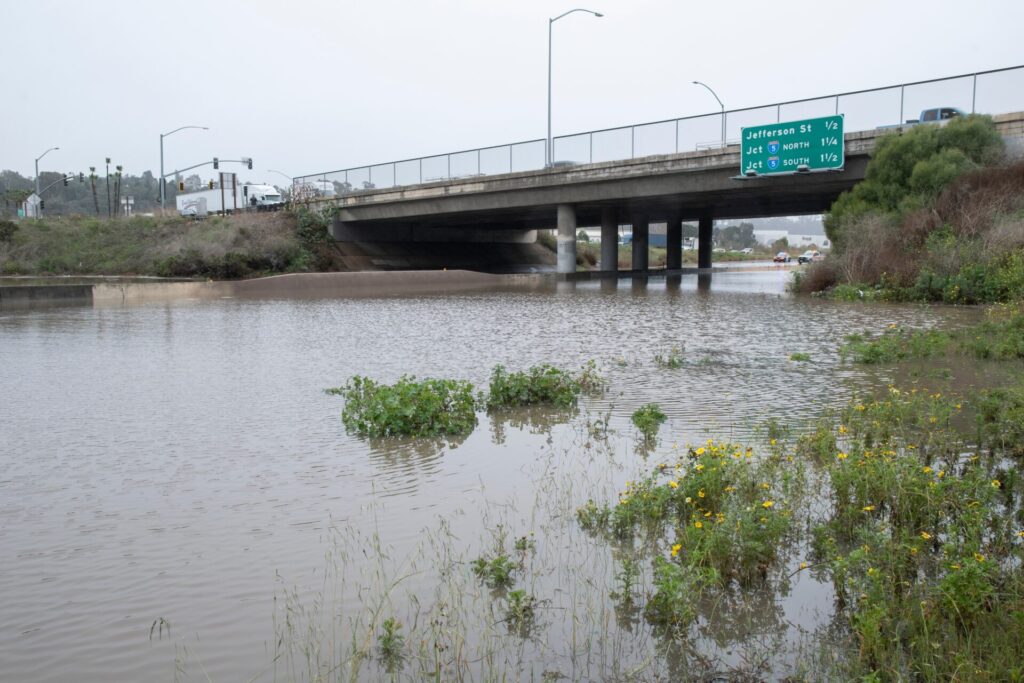
Flood Insurance
Typical homeowners’ insurance policies do not include flood coverage. For homes that are at high risk of flooding according to flood plains determined by the Federal Emergency Management Agency (FEMA), flood insurance is required if there is a mortgage in place. Hurricanes can cause flooding from torrential rains and storm surges. The National Flood Insurance Program (NFIP) works with particularly high-risk communities to provide affordable options and can help homeowners find flood insurance providers.
Contact WorldClaim for a Free Insurance Policy Review
Does your home insurance cover hurricanes? The best way for homeowners to determine if they are covered in the event of a hurricane is to contact us for a free policy review. The experts at WorldClaim will conduct a home insurance policy review to help you understand what is covered — or not — by your current policy. That includes determining whether you have a hurricane deductible, flood insurance, a windstorm deductible, or other coverage that would be relevant in the case of a tropical storm or hurricane.
When a storm is already headed your way is not the time to ask, “Is my home covered?” Review your policy today and give yourself peace of mind well before the next hurricane season.